
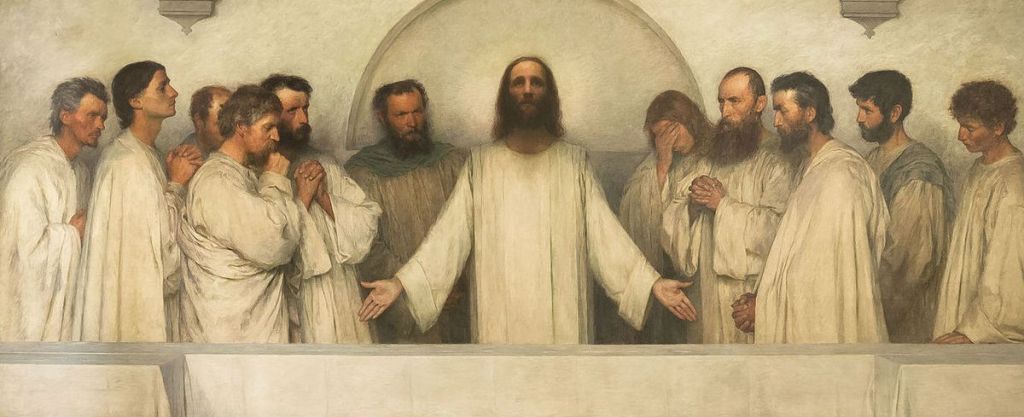
STEWARDSHIP OF GRACE
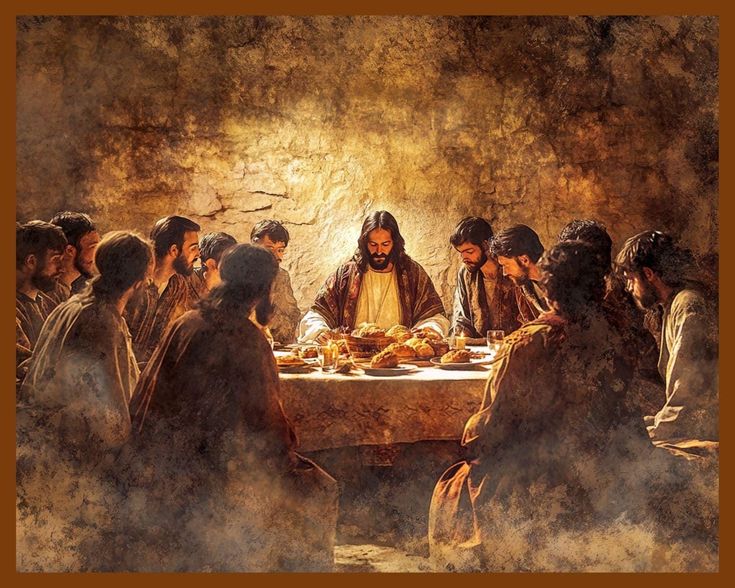
Very truly, I tell you, the one who believes in me will also do the works that I do and,
in fact, will do greater works than these, because I am going to the Father.
John 14:12
In the biblical passage John 14:12, Jesus delivers an assuring message to His disciples during the Last Supper—a pivotal moment in the upper room following the Passover meal. He declares that those who believe in Him will perform even greater works than He has done. This enigmatic statement invites a deeper exploration within the framework of Christian stewardship of grace.
Christian stewardship encompasses the ethical and moral responsibility of believers to manage the gifts and grace God has bestowed upon them. This concept extends beyond mere acknowledgment of grace; it calls for a deliberate, active engagement with that grace to uplift others and foster community well-being. Believers are encouraged to channel their talents, resources, and spiritual gifts in ways that reflect Jesus’ teachings and love, thereby creating a ripple effect of positive influence. This not only strengthens their faith but also enriches the lives of those around them, aligning with Christ’s mission to serve and advocate for others. In essence, the call to greater works reflects not just individual achievements but the collective impact of a community rooted in faith, love, and service.

In Catholic theology, grace is understood as an unmerited gift from God, underscoring that it cannot be earned through human effort or merit (Eph 2:8-9). This theological concept is rooted in the belief that God freely offers His grace, inviting believers into a transformative relationship. A pivotal passage in the New Testament, John 14:12, highlights this idea, stating that those who believe in Jesus will perform works greater than His, suggesting that faith unlocks the abundant flow of divine grace (Eph 2:10; 3:2; 1 Pet 4:10).
Through this faith, believers are empowered by grace to embody and enact God’s love and mercy in their daily lives. This empowerment allows them to become stewards of grace, reflecting it in their interactions with others and actively participating in God’s redemptive mission in the world. This understanding reinforces the importance of community and service within the faith, as believers are called to share the grace they’ve received and to manifest it through acts of kindness, compassion, and justice.

Stewardship of grace emphasizes that believers are not merely passive recipients of divine grace; rather, they are called to actively engage in the transformative works of Christ. This concept is vividly illustrated in the Parable of the Talents found in Matthew 25:14-30, where servants are entrusted with their master’s resources and held accountable for how they manage and utilize them. It reinforces the notion that faith is not just a private matter but requires outward expression through actions that honor God.
This understanding aligns with the biblical call to do “greater works,” which transcends individual efforts and encompasses collective action aimed at advancing the Kingdom of God. Believers are encouraged to unite their talents and resources to share the Gospel, serve marginalized communities, and champion social justice initiatives that reflect Christ’s love and compassion. Moreover, the passage serves as a powerful reminder that believers are to take their faith into the world, not just through personal piety, but by making a tangible, lasting impact in society. By working together, they can amplify their influence and contribute to the betterment of their communities, thereby embodying the teachings of Christ in real and practical ways.

The promise of the Holy Spirit, as articulated in John 14:16-17, introduces a profound dimension to the concept of stewardship. In this passage, Jesus reassures His disciples by promising the arrival of the Holy Spirit—a divine advocate and comforter who will dwell within believers. This gift not only signifies God’s ongoing presence but also empowers individuals in their faith journey.
By equipping believers with spiritual gifts and talents, the Holy Spirit enables them to actively serve others, reflecting God’s love and grace in tangible ways. The empowerment provided by the Holy Spirit embodies the principle that grace is meant to be shared generously, not hoarded. As individuals deepen their relationship with God and become more attuned to His voice, they are increasingly equipped to manifest that grace to those around them—whether through acts of kindness, words of encouragement, or sacrificial service. In this way, stewardship becomes an intentional expression of the transformative power of the Holy Spirit in the lives of believers, urging them to contribute to the well-being of their communities and to the glory of God.

Catholic teaching emphasizes that believers collectively form the Body of Christ, a spiritual reality in which each individual plays an essential role in fulfilling the Church’s mission. This concept of stewardship extends beyond personal holiness; it is fundamentally a communal responsibility. Each member of the Church is accountable not only for their own growth in grace through practices such as prayer, sacraments, and scripture study, but also for actively uplifting and supporting fellow believers. This interdependence creates a vibrant cycle of sharing, encouragement, and service, reflecting Jesus’ command to love one another unconditionally. Through acts of charity, involvement in parish life, and outreach to those in need, members contribute to a thriving community that embodies the values of compassion and solidarity central to the faith.
John 14:12 is not only a declaration of faith but also an enduring source of hope and a reminder of the continuity of Christ’s mission. As witnesses of His grace, believers are challenged to embody Christ’s love and compassion in their daily lives, reaching out to the marginalized, the sick, and the broken-hearted. By engaging in acts of kindness and service, they can inspire others to seek the transformative power of faith. Through these greater works—whether they be acts of service, expressions of love, or sharing the message of salvation—believers fulfill their calling to lead others to Christ, ultimately pointing them back to the source of hope and redemption. This commitment to live out their faith not only strengthens their own relationship with God but also fosters a community grounded in love and mutual support, reflecting the heart of Christ in every action.
Hence, stewardship of grace calls on believers to embody a way of living that mirrors the holiness of God in their daily lives. This entails that their faith-informed actions actively promote core virtues such as integrity, compassion, and charity toward others. Striving for holiness means embracing a life marked by moral excellence and a deep commitment to serving others selflessly. As believers pursue this path, they not only reflect the transformative grace they have received but also create an inviting atmosphere that encourages those around them to recognize and embrace it in their own lives. In doing so, they foster a community grounded in love and mutual support, thereby contributing to a larger tapestry of faith and goodwill.
In essence, John 14:12, when examined within the rich framework of Christian stewardship of grace, highlights both the transformative and communal nature of faith. This passage, in which Jesus assures His followers that those who believe in Him will not only perform the works He has done but also do even greater things, invites believers to actively engage in their faith. It emphasizes the importance of sharing the gifts of grace—such as love, compassion, forgiveness, and service—with others in their communities.
Moreover, this scriptural verse calls for active participation in the ongoing mission of Christ, encouraging individuals to reflect on their unique talents and resources as tools for ministry. By fulfilling the charge to do greater works in His name, believers are reminded of their responsibility to contribute to the well-being of others and the advancement of God’s kingdom on Earth. In this way, faith is not merely a personal journey but a collective endeavor that fosters spiritual growth and unity within the body of Christ.
“All these, therefore, were highly honoured, and made great, not for their own sake, or for their own works, or for the righteousness which they wrought, but through the operation of His will. And we, too, being called by His will in Christ Jesus, are not justified by ourselves, nor by our own wisdom, or understanding, or godliness, or works which we have wrought in holiness of heart; but by that faith through which, from the beginning, Almighty God has justified all men; to whom be glory for ever and ever. Amen.”
Clement of Rome, Epistle to the Corinthians, 32 (A.D. 98)
“But He who raised Him up from the dead will raise up us also, if we do His will, and walk in His commandments, and love what He loved, keeping ourselves from all unrighteousness, covetousness, love of money, evil speaking, falsewitness; ‘not rendering evil for evil, or railing for railing,’ or blow for blow, or cursing for cursing, but being mindful of what the Lord said in His teaching: ‘Judge not, that ye be not judged; forgive, and it shall be forgiven unto you; be merciful, that ye may obtain mercy; with what measure ye mete, it shall be measured to you again; and once more, “Blessed are the poor, and those that are persecuted for righteousness’ sake, for theirs is the kingdom of God.’”
Polycarp, To the Philippians, 2 (A.D. 135)
“Whoever dies in his sins, even if he profess to believe in Christ, does not truly believe in Him, and even if that which exists without works be called faith, such faith is dead in itself, as we read in the Epistle bearing the name of James.”
Origen, Commentary on John, 19:6 (A.D. 232)

PAX VOBISCUM
 Catholic Scripture
Leave a comment