
SUPERNATURAL MERIT

May you be filled with the knowledge of his will through all spiritual wisdom and understanding to live in a manner worthy of the Lord, so as to be fully pleasing, in every good work bearing fruit (merit) and growing in the knowledge of God, strengthened with every power, in accord with his glorious might, for all endurance and patience, with joy giving thanks to the Father, who has made you fit to share in the inheritance of the holy ones in light. He delivered us from the power of darkness and transferred us to the kingdom of his beloved Son.
Colossians 1, 9-13
In Catholic theology, supernatural merit refers to the idea that individuals can receive grace or favor from God through their actions. Still, this merit is not based solely on human effort or judgment. Instead, it involves the cooperation of human free will with divine grace. In this context, merit implies a reward or acknowledgement from God for good deeds performed through God’s grace. This is essential because, in Catholic belief, humans cannot achieve salvation or holiness strictly on their own natural resources; they need the aid of God’s actual grace.
Supernatural merit is often linked to the concept of justification. A person who freely chooses to act in accordance with God’s will, empowered by grace, can acquire merit that contributes to their salvation and the salvation of others. This idea reinforces the belief that while God offers grace freely, human participation through good works is essential in the process of salvation. Overall, supernatural merit emphasizes a partnership between divine grace and human cooperation, highlighting the Catholic understanding of the necessity of both faith and works in the spiritual life.
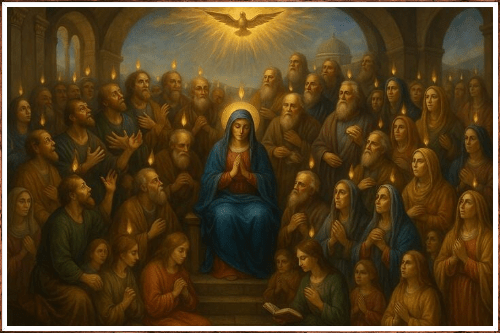
The passage from Colossians 1:9-13 conveys a profound spiritual message centered on the transformative power of knowledge and the importance of living in accordance with God’s will. St. Paul begins by expressing a desire for the recipients to be filled with the knowledge of God’s will. This knowledge is linked to spiritual wisdom and understanding, suggesting that proper comprehension of God’s plans involves a deeper, spiritual insight rather than mere intellectual awareness.
There is an emphasis on living a life that is worthy of the Lord. This invites believers to reflect on their actions and character, aiming to be fully pleasing in their endeavors. Paul highlights the ethical and moral implications of faith in practice. He connects the concepts of good works and spiritual growth. As believers engage in good deeds, they bear fruit—indicative of the positive impact of their actions and the growth of their faith. This fruitfulness is a sign of a vibrant relationship with God.

The apostle emphasizes being strengthened with divine power, in accordance with God’s mighty strength. This energy is necessary for enduring challenges and practicing patience. He suggests that believers are not alone in their endeavors; they have access to spiritual resources that empower them. The act of giving thanks to God is portrayed as a joyful response to His grace. It reflects an attitude of gratitude that stems from recognizing what God has done for believers, particularly in making them worthy of His inheritance.
The passage concludes with a powerful affirmation of deliverance. God has rescued believers from the power of darkness, symbolizing a transition from a life of sin and bondage to a new life in the kingdom of Christ, referred to as His beloved Son. This transformation is not just a change in status but speaks to a complete shift in spirituality.
Overall, this biblical text encapsulates themes of spiritual growth, the significance of good works, reliance on God’s strength, and the importance of gratitude—all central to the Christian faith. It encourages believers to seek God’s will actively and to live out their faith in a transformative and impactful way.
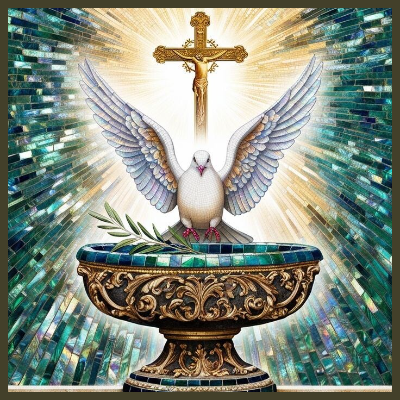
In the context of Catholic soteriology, the call for the renewal of the spirit in Ephesians 4:22-24 reflects the understanding that salvation entails a fundamental change in the believer. The “old self” and the “new self” signify a radical transformation that occurs when one accepts God’s grace. In Catholicism, this transformation is deeply connected to the sacramental life, primarily through baptism, which symbolizes dying to sin and rising to new life in Christ. Colossians 1:9-13 alludes to the work of the Holy Spirit in the process of justification.
For Catholics, the Holy Spirit plays a crucial role in guiding believers and empowering them to live in accordance with God’s will. The passage from Titus 3:4-7 links salvation to the “bath of rebirth and renewal by the Holy Spirit,” which underscores the sacramental view of baptism as essential for one’s entry into the life of grace.
The notion that salvation is given “not because of any works of righteousness we had done, but according to His mercy” aligns with the Catholic perspective that grace is unmerited. It emphasizes that human effort can never earn salvation; rather, it is always a response to God’s initiating grace. This concept reflects the Catholic teaching that while good works are essential, they are the fruit of grace rather than the cause of salvation.
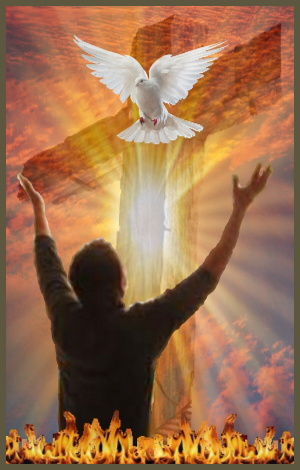
Paul encourages believers to embody righteousness and holiness as a response to God’s transforming grace. In Catholic soteriology, this aligns with the understanding that faith must be accompanied by works (James 2:26) and that living out one’s faith actively contributes to one’s sanctification and justification. The apostle invites believers to engage in a deliberate effort toward holiness and virtue, reflecting a life that seeks to align with God’s will.
In essence, the text presents a theological framework that resonates deeply with Catholic soteriology. It encapsulates the journey of salvation from divine forgiveness and the necessity of transformation through grace to the active response of living out one’s faith. This interplay of God’s action (grace and mercy) and human response (repentance, renewal, and righteous living) is at the heart of Catholic teaching on salvation, illustrating how believers are called to engage actively in their relationship with God while relying entirely on His grace.
“We add, also, and say, ‘Thy will be done, as in heaven so in earth;’ not that God should do what He wills, but that we may be able to do what God wills. For who resists God, that l He may not do what He wills? But since we are hindered by the devil from obeying with our thought and deed God’s will in all things, we pray and ask that God’s will may be done in us; and that it may be done in us we have need of God’s good will, that is, of His help and protection, since no one is strong in his own strength, but he is safe by the grace and mercy of God.”
St. Cyprian of Carthage
On the Lord’s Prayer, 14 (A.D. 252)
PAX VOBISCUM
 Catholic Scripture
Leave a comment