Cooperative Grace

For by grace you have been saved through faith, and this is not your own doing; it is the gift of God—
not the result of works, so that no one may boast. For we are what he has made us, created in Christ
Jesus for good works, which God prepared beforehand to be our way of life.
Ephesians 2:8-10
Cooperative grace in Catholic theology is a nuanced understanding that salvation is not solely an act of divine intervention but rather a collaborative process that intricately weaves together divine grace and human free will. This theological concept underscores the belief that while God’s grace is fundamentally essential for salvation—acting as the initial and ongoing influence that makes salvation possible—human beings possess the freedom to respond to that grace actively.
In this framework, grace can be seen as a gift from God, offering the necessary empowerment to individuals to choose good over evil and to pursue a relationship with Him. However, the Catholic Church teaches that this grace must be accepted and cooperated with by the individual, who has the responsibility to use their free will to follow God’s commandments and engage in virtuous actions.
Furthermore, this cooperative relationship underscores the significance of the sacraments, prayer, and moral living as means by which individuals can deepen their experience of grace. Ultimately, the concept of cooperative grace illustrates a dynamic interplay, where God’s loving initiative meets human response, allowing for a more complete understanding of the journey toward salvation within Catholic theology.

In Catholic doctrine, grace is understood as a divine gift freely given by God, which is both unmerited and transformative, empowering individuals to respond to His call to salvation. Unlike a mere passive force, grace is considered an active and dynamic presence in the lives of believers, fostering a deep and personal relationship with God.
This grace is typically categorized into two primary forms: sanctifying grace and actual grace. Sanctifying grace is essential for salvation; it is received through the sacraments, particularly through baptism, and is believed to reside permanently in the soul, making it holy and pleasing to God. It enables believers to participate in the divine life and grow in virtue over time.
On the other hand, actual grace refers to the specific divine interventions that assist individuals in making moral decisions, resisting sin, and living in accordance with God’s will in their everyday lives. These moments of grace often come as inspirations, insights, or the strength to choose what is right, highlighting God’s ongoing engagement with creation. Together, these forms of grace illustrate the Catholic understanding of how divine assistance is integral to the journey of faith and the pursuit of holiness.

The Catholic Church teaches that God has endowed human beings with the precious gift of free will, enabling them to make individual choices that can either harmonize with or stand in opposition to His divine plan. This inherent agency is a fundamental aspect of being created in the image of God, reflecting the characteristics of rationality and moral decision-making. Consequently, individuals possess the capacity to either accept or reject God’s grace—a transformative force that invites them into a closer relationship with Him. This choice is not merely an abstract concept; it is central to the theological understanding of cooperation with divine grace, emphasizing the ongoing dialogue between God’s initiative and human response. The Church underscores that this cooperation is vital for spiritual growth and salvation, as it empowers individuals to align their lives with God’s will and the teachings of Christ.
The essence of cooperative grace lies in the profound synergy between divine action and human response. In this intricate relationship, God initiates and bestows grace upon humanity, offering unmerited love and favor that surpasses any human effort. However, it is incumbent upon each individual to consciously accept this divine gift and actively respond through their thoughts, actions, and moral decisions. Through this interplay of grace and human agency, the spiritual journey becomes a collaborative process, where individuals grow in faith and character, responding to divine love with dedication and commitment. Ultimately, this reflects a harmonious partnership between the divine and the human, emphasizing that while grace is freely given, the acceptance and active response to that grace are essential components of spiritual growth and transformation.

Ephesians 2:8-10 articulates the concept of divine grace and its critical role in the salvation of believers. The passage clearly emphasizes that grace is an unmerited gift from God, highlighting the notion that human efforts, no matter how diligent or virtuous, cannot alone secure salvation. This understanding aligns closely with Catholic theology, which teaches that while both faith and good works are vital components of a believer’s life, they are ultimately rooted in the grace that God freely offers to individuals. This grace not only initiates the process of salvation but also empowers believers to live out their faith through acts of love and service, illustrating that salvation is a collaborative journey between divine assistance and human response. Thus, the teachings of Ephesians remind us that our relationship with God is grounded in His generosity rather than our own achievements.
The text begins with the assertion that “by grace you have been saved.” In Catholic theology, grace is understood as an unmerited favor bestowed upon individuals by God—an act of pure, unconditional love that ultimately leads to salvation. This concept emphasizes that salvation is not a reward for good deeds or a result of personal merit; rather, it is a divine gift freely given, and it must be accepted with humility and deep gratitude.
Grace operates in various forms, including prevenient grace, which prepares the heart to receive faith, and sanctifying grace, which sanctifies and enables the believer to live in accordance with God’s will. The understanding of grace is further enriched by the sacramental life of the Church, where the sacraments serve as channels of grace, helping to strengthen the believer’s relationship with God. In this light, the process of salvation underscores the importance of cooperation with God’s grace through faith and good works, reflecting a dynamic relationship between the divine and the faithful.

The passage elaborates that salvation is attained “through faith” and is not the result of “[our] own doing” or merely “the result of works.” In Catholic teaching, faith is understood as a profound response to God’s grace, which involves both trust in God and the acceptance of Jesus Christ as one’s Lord and Savior. This faith is not passive; it requires an active engagement with God’s revelation and a willingness to embrace His will.
Furthermore, the Catholic tradition emphasizes that genuine faith naturally manifests in good works, which are viewed as the fruits or evidence of that faith. This synergy between faith and works underscores a central tenet of Catholicism: while God’s grace is the primary force that leads to salvation, humans are called to cooperate with that grace. This cooperation is expressed through acts of love, charity, and obedience to God’s commandments in service to others and the community.
The interplay between faith and works highlights the conviction that genuine faith is transformative, resulting in a life that embodies the teachings of Christ. It also fosters a reciprocal relationship between the believer and God, where the grace received is actively lived out in daily actions. Thus, Catholics affirm that while salvation is a gift from God, it also requires a committed response through a life lived in accordance with His commandments and the example set by Jesus.

Verse 10 states, “For we are what he has made us, created in Christ Jesus for good works.” This passage reinforces a fundamental tenet of Catholic doctrine, emphasizing that good works are not simply optional but essential to the Christian journey. Good works serve as tangible evidence of one’s faith and as an active response to the profound grace bestowed by God upon believers. The “good works” referenced in this scripture are understood as deliberate acts of love, charity, and service, embodying the very character of Christ as displayed in a believer’s life.
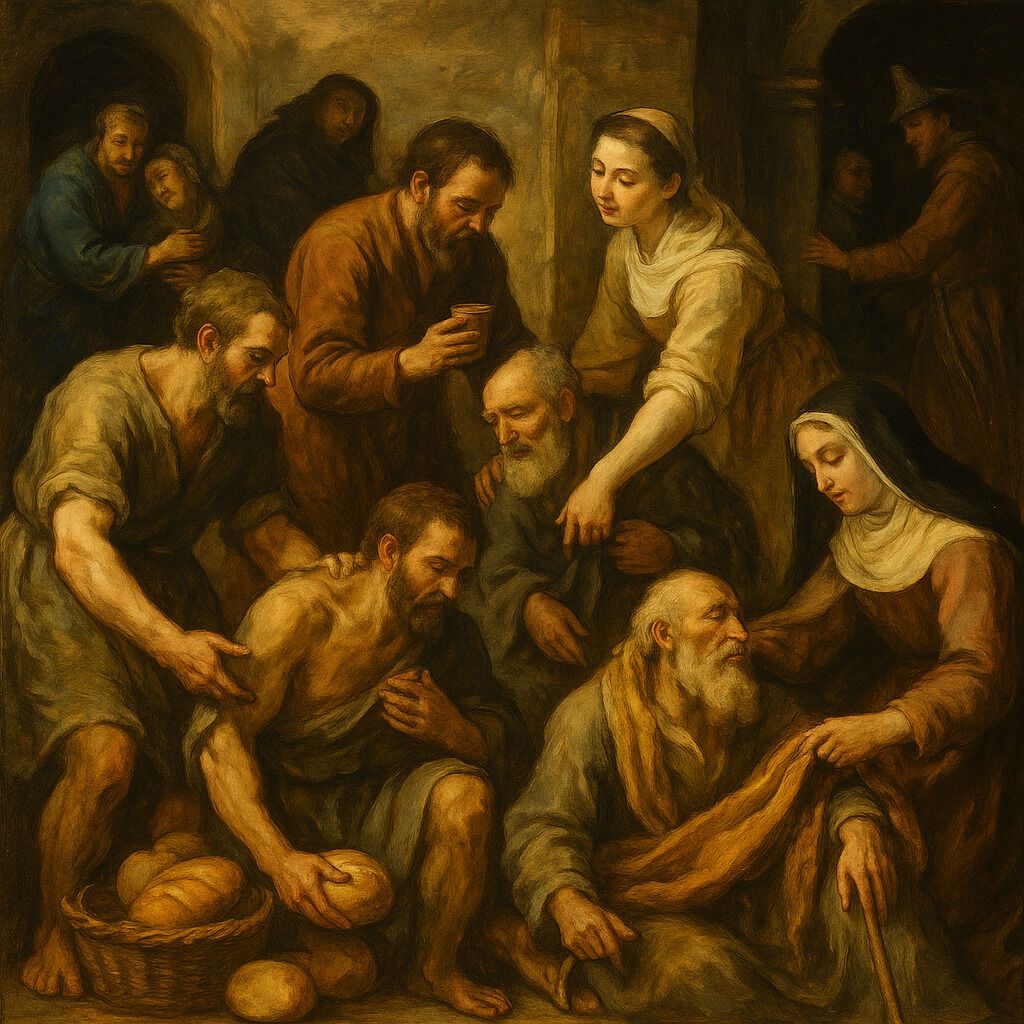
These acts can range from small kindnesses, such as offering a helping hand to a neighbor, to larger commitments, including dedicating time to volunteer in community service or advocating for social justice. This understanding aligns seamlessly with the overarching concept of the Church as the Body of Christ, wherein every individual member—regardless of their role—contributes to the fulfillment of God’s mission on Earth. In this collective effort, the Church not only serves those in need but also showcases the transformative power of divine love in action, ultimately drawing others to God through the example of a faithful and service-oriented community.
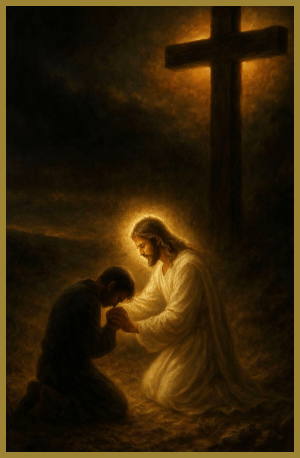
The latter portion of the passage emphasizes the notion that God has meticulously prepared these good works in advance, underscoring a divine plan and purpose intended for each believer. This concept resonates deeply within Catholic theology, where it is intricately linked to the doctrine of predestination. According to this belief, God, in His infinite wisdom and boundless love, intentionally selects certain individuals to fulfill specific roles and missions within His overarching divine plan of salvation. This selection process is viewed not as arbitrary but rather as a reflection of God’s desire for all to participate in the redemptive narrative, enabling believers to respond actively to His call through their actions and choices. Understanding predestination fosters a sense of purpose, encouraging individuals to pursue the good works laid before them as an integral part of their faith journey.
Ultimately, this passage from Ephesians invites believers to fully embrace the transformative reality of God’s grace, which is freely given and unearned. It calls individuals to respond with genuine faith, a deep-seated trust in God’s promises and His love. Furthermore, this faith should be evident through a commitment to good works—acts of kindness, service, and moral integrity that reflect one’s beliefs in daily life. This relationship highlights the dynamic interplay between divine grace and human response, underscoring that while grace is a gift from God, it requires an active and willing participation from the believer. This collaborative effort is not only a cornerstone of Catholic faith and practice but also a pathway to spiritual growth and fulfillment in the Christian journey.
“Thus by the grace of the Saviour healing their souls, enlightening them and leading them to the attainment of the truth; and whosoever obtains this and distinguishes himself in good works shall gain the prize of everlasting life… But others rightly and adequately comprehend this, but attaching slight importance to the works which tend to salvation, do not make the requisite preparation for attaining to the objects of their hope.”
Clement of Alexandria, Who is the rich man that shall be saved?, 1,2 (A.D. 210)
“And in like manner, the Gentiles by faith in Christ prepare for themselves eternal life
through good works.”
Hippolytus, Commentary on Proverbs (ante A.D. 235)
“You therefore, who are rich and wealthy, buy for yourself of Christ gold tried by fire; that you may be pure gold, with your filth burnt out as if by fire, if you are purged by almsgiving and righteous works. Buy for yourself white raiment, that you who had been naked according to Adam, and were before frightful and unseemly, may be clothed with the white garment of Christ. And you who are a wealthy and rich matron in Christ’s Church, anoint your eyes, not with the collyrium of the devil, but with Christ’s eye-salve, that you may be able to attain to see God, by deserving well of God, both by good works and character.”
Cyprian, Works and Almsgiving, 14 (A.D. 252)
PAX VOBISCUM
 Catholic Scripture
Leave a comment