The Intercession of the Saints
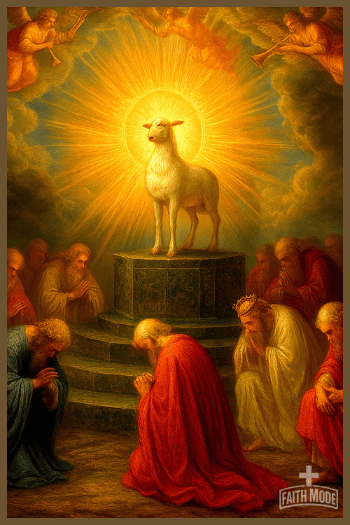
And when he had taken the scroll, the four living creatures and the twenty-four elders fell down before the Lamb, each holding a harp, and with golden bowls full of incense, which are the prayers of the saints.
Revelation 5, 8
When he opened the fifth seal, I saw under the altar the souls of those who had been slain for the word of God and for the witness they had borne; they cried out with a loud voice, “O Sovereign Lord, holy and true, how long before thou wilt judge and avenge our blood on those who dwell upon the earth?” Then they were each given a white robe and told to rest a little longer, until the number of their fellow servants and their brethren should be complete, who were to be killed as they themselves had been.
Revelation 6, 9-11
The passage from Revelation 5:8 offers a deeply moving vision of worship and intercession in the heavenly realm. In this vivid scene, the four living creatures, representing the fullness of creation, and the twenty-four elders, symbolic of the complete church—both the Old and New Testament believers—gather in a majestic heavenly council devoted to the adoration of God and the Lamb, who is interpreted as Jesus Christ, our Paschal victim, sacrificed for humanity’s redemption.
Their actions are steeped in rich symbolism: as they fall down in profound reverence before the Lamb, their posture signifies humility and awe in the presence of divine authority. The harps they hold reflect the sweet sound of worship, symbolizing the beauty and joy of praise, while the golden bowls filled with incense represent the prayers of the saints—an offering to God that captures the essence of intercessory prayer. This imagery illustrates the intimate connection between worship and supplication, highlighting how the heavens resonate with the faithful cries of believers on Earth, creating a powerful dialogue between the Creator and His creation.

The harps, often associated with divine praise and worship, vividly symbolize the perpetual adoration of God conducted by the saints in heaven. This imagery emphasizes that music is not merely a background element but a vital aspect of celestial worship, expressing the profound beauty, harmony, and joy that come from being in the presence of the divine. The presence of these instruments suggests that prayer and worship are inextricably linked, highlighting that both elements are essential to a life wholly dedicated to serving and honoring God. The sound of the harps resonates throughout the heavenly realm, creating an atmosphere of reverence and celebration that reflects the deep connection between the worshipers and their Creator.
The golden bowls overflowing with fragrant incense serve as a powerful symbol of the prayers of the saints. In scripture, particularly in the Book of Revelation, incense is described as representing the prayers rising like smoke into the heavens, illustrating the notion that these prayers are both precious and exalted in the divine realm. This vivid imagery suggests that the prayers of the faithful, whether uttered in moments of joy, sorrow, or desperation, are meticulously gathered and presented before God’s throne by heavenly beings. It emphasizes the profound belief that the petitions, intercessions, and heartfelt cries of believers, regardless of their circumstances, are not only important but also cherished and honored, echoing throughout eternity, even after they have departed from this earthly existence. This notion reinforces the idea that their spiritual connection endures, bridging the gap between the living and the eternal.
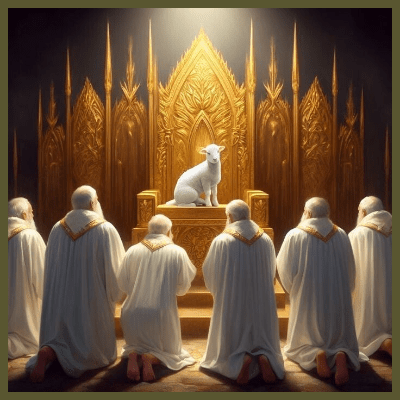
In the context of intercessory prayers, the bowls symbolize the profound role that saints in heaven play in the ongoing spiritual intercession for the faithful here on earth. These bowls serve as reminders that the prayers of the saints not only elevate the needs, struggles, and praises of the living but also create a powerful connection between the earthly and heavenly realms. This belief reinforces the idea that those who have died in Christ are not merely resting but remain actively engaged in their spiritual journey. They advocate for their loved ones, offering support and intercession before God on their behalf. By drawing upon the prayers of these saints, believers find comfort and encouragement, knowing that they are part of a larger community that transcends time and space, united in faith and devotion.
This passage from the Apocalypse encapsulates a profound vision of the ongoing relationship between heaven and earth, highlighting the vital role of the saints in the divine order. In this context, the saints are depicted as devoted intercessors who present the heartfelt concerns and petitions of humanity before God, demonstrating a continuous connection between the faithful on earth and the divine in heaven. This imagery signifies a deep-seated hope for the living, affirming that their prayers are not merely echoes fading into silence but are actively heard and cherished in the divine realm.
The passage reinforces the belief that no prayer goes unnoticed or unanswered, conveying the reassuring promise that God is attentive to the cries of His people. This scene ultimately serves as an encouragement for believers to engage in fervent prayerful intercession, fostering a sense of community and purpose in their spiritual practices. It invites them to recognize that their efforts contribute to a larger, divine narrative that transcends both life and death, uniting them with the communion of saints and anchoring their faith in the promise of divine responsiveness.
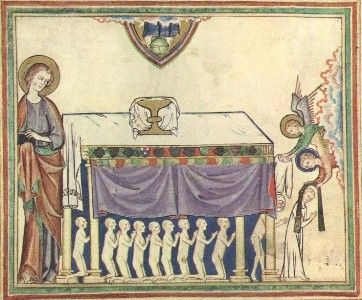
The passage from Revelation 6:9-11 provides a compelling illustration of the profound and meaningful relationship between faithful believers on earth and the saints who have already attained heavenly glory. This text emphasizes the significance of the communion of saints, a doctrine that reflects the unity among all members of the church, both living and deceased. In this context, the passage reveals the crying out of the martyrs, who have sacrificed their lives for their faith, seeking justice and vindication for their suffering. Their imprecatory prayers—calls for God’s judgment against their oppressors—underscore the earnest desire for divine retribution and the ultimate triumph of good over evil. This interaction not only highlights the connection between the faithful and the saints but also serves as a reminder of the hope and perseverance that believers are encouraged to embody in their own struggles.
Within this framework, the martyrs depicted in the Book of Revelation are not merely passive figures; they are portrayed as active, vibrant participants in the divine narrative of salvation history. Their presence beneath the altar is deeply symbolic, representing not only their ultimate sacrifice for their faith but also the deep acknowledgment of the suffering they endured in life. This imagery evokes a sense of reverence and honor for their commitment to righteousness, even in the face of persecution. Moreover, their act of crying out for justice serves as a powerful reminder of their enduring engagement with the world. It signifies their ongoing concern for humanity’s struggles, reflecting a key aspect of the communion of saints: those who have departed from this life continue to have a vested interest in the lives and spiritual well-being of those still on earth. This belief reinforces the idea that the spiritual bonds formed through faith are unbroken by death, encouraging the living to seek intercession and guidance from the saints in their own journeys of faith.

The reference to the assured answers to their prayers underscores the profound power of intercession within the faith. This concept reinforces the longstanding belief that saints can serve as advocates for the faithful, effectively interceding on their behalf before God, especially in matters of justice and divine action. The heartfelt cries of the saints can be interpreted as both a lamentation for the prevalent injustices in the world and a fervent plea for God’s intervention. This aligns seamlessly with the tradition of intercessory prayer, where believers actively seek the saints’ intercession to strengthen their own appeals to God. By invoking the saints, the faithful harness a communal spiritual power, reinforcing their hope for divine mercy and transformative action in the face of suffering and adversity.
Imprecatory prayer, characterized by its plea for God’s judgment against perceived wickedness and injustice, presents a compelling parallel to the heartfelt petitions of martyrs seeking justice for their suffering. While traditional imprecatory prayers often articulate a fervent desire for immediate retribution upon the wicked, the context of the Book of Revelation implies a more nuanced understanding of divine justice. This understanding acknowledges the depth of human suffering while simultaneously holding onto the promise of ultimate redemption.
The martyrs’ longing for justice emphasizes the profound tension that exists between their earthly anguish and the anticipated divine response. Their cries resonate deeply, signaling a belief that God is acutely aware of, and responsive to, the suffering endured by the oppressed. This dynamic not only reinforces the concept of divine attentiveness but also underscores the hope that, beyond earthly trials, there is a greater, heavenly resolution to injustice. The interplay between suffering, divine hearing, and eventual redemption invites a reflection on the complexities of faith and justice in both earthly and spiritual realms.
“Hail to you for ever, Virgin Mother of God, our unceasing joy, for to you do I turn again. . . . Hail, you treasure of the love of God. Hail, you fount of the Son’s love for man… “Therefore, we pray [ask] you, the most excellent among women, who glories in the confidence of your maternal honors, that you would unceasingly keep us in remembrance. O holy Mother of God, remember us, I say, who make our boast in you, and who in august hymns celebrate the memory, which will ever live, and never fade away”
Methodius, Oration on Simeon and Anna 14 [A.D. 305]
“Then [during the Eucharistic prayer] we make mention also of those who have already fallen asleep: first, the patriarchs, prophets, apostles, and martyrs, that through their prayers and supplications God would receive our petition”
Cyril of Jerusalem, Catechetical Lectures 23:9 [A.D. 350]
“You victorious martyrs who endured torments gladly for the sake of the God and Savior, you who have boldness of speech toward the Lord himself, you saints, intercede for us who are timid and sinful men, full of sloth, that the grace of Christ may come upon us, and enlighten the hearts of all of us so that we may love him”
Ephraim the Syrian, Commentary on Mark [A.D. 370]
PAX VOBISCUM
 Catholic Scripture
Leave a comment