SIN & REPENTANCE
The wages of sin is death, but the free gift of God is eternal life in Christ Jesus our Lord.
Romans 6:23
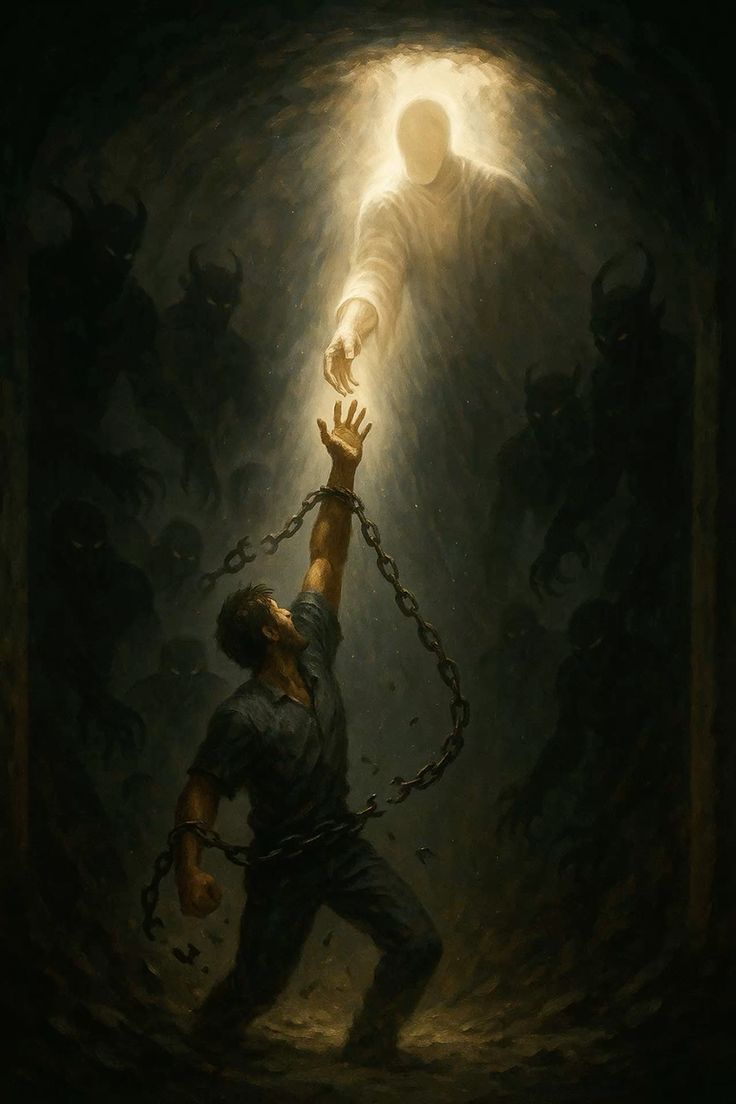
The verse from Romans 6:23 states, “For the wages of sin is death, but the free gift of God is eternal life in Christ Jesus our Lord.” This powerful statement encapsulates essential themes in Catholic teaching, particularly concerning the concepts of sin, repentance, and redemption.
In Catholic theology, sin is regarded as a profoundly serious issue that creates a rift between humanity and God. Sin is seen as an action or intent that goes against God’s commandments and divine will, which ultimately disrupts the relationship between the Creator and His creation. The phrase “wages of sin” refers to the inevitable consequences that arise from choosing to turn away from God and His divine guidance. This separation ultimately leads to spiritual death, a condition that transcends mere physical cessation of life; it represents a state of existential alienation from God, His grace, and the fullness of life that He offers. This spiritual death signifies a loss of hope and divine connection, emphasizing the importance of repentance and reconciliation to restore one’s relationship with God and to re-enter a state of sanctifying grace.
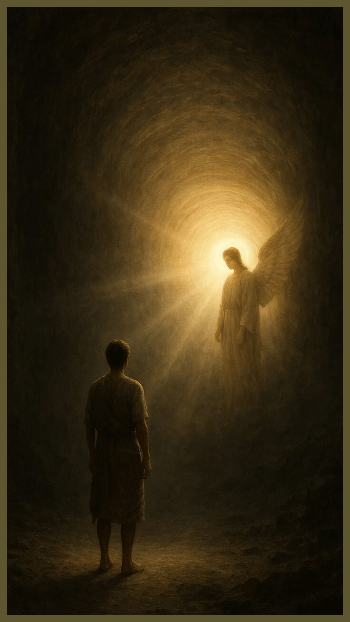
The phrase “the free gift of God is eternal life” profoundly encapsulates the essence of Catholic belief in grace. It reinforces the understanding that, despite the pervasive nature of human sinfulness and the tendency to stray from divine will, God’s offer of redemption through Jesus Christ remains freely available to all. This gift of eternal life is not something we can earn through our own merit or good works; rather, it is a gracious outpouring of God’s unconditional love and mercy toward humanity.
This perspective highlights a central theme in Christian doctrine: the notion that salvation is within reach for everyone who seeks to return to God with a sincere heart, embracing faith and genuine repentance. It calls believers to recognize their dependence on God’s grace, illustrating that redemption is a divine initiative, not a human achievement. This foundational belief not only assures the faithful of God’s unwavering compassion but also encourages a transformative relationship with Him, marked by trust and a commitment to live in accordance with His teachings. By acknowledging our need for grace, we open ourselves to the transformative power of God’s love, leading us towards everlasting life.
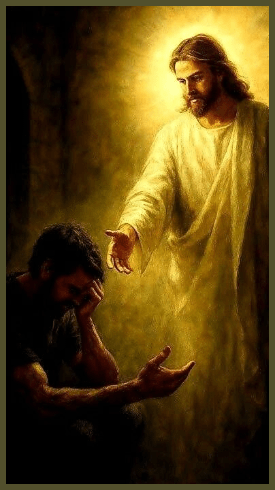
Repentance, therefore, is a vital aspect of the spiritual renewal and personal growth process within Catholic teaching. It involves not only acknowledging one’s sins but also a deep, genuine remorse that reflects an understanding of the hurt caused to oneself and others. This sincere contrition is accompanied by a firm intention to amend one’s life, striving to turn away from past wrongs and adopt virtuous behavior.

In Catholicism, this process is often articulated through the sacrament of confession, also known as the Sacrament of Reconciliation. During confession, believers come before a priest, who serves as a representative of Christ and the Church, to confess their sins. This act of confession is more than merely listing faults; it is an opportunity for heartfelt reflection and spiritual healing. The penitent seeks forgiveness with the hope of receiving God’s grace, which is vital for truly beginning anew.
Furthermore, the sacrament emphasizes the importance of penance—the actions prescribed by the priest that serve as a means of making reparation for sins committed. By engaging in this sacred rite, individuals not only seek absolution but also commit to a transformed life, empowered by God’s mercy and strengthened by grace to avoid sin in the future.
In essence, this passage clearly delineates the stark contrast between the inevitable outcome of sin—spiritual death—and the profound opportunity for redemption and eternal life that is offered through faith in Jesus Christ. It emphasizes the need for believers to acknowledge their sins with humility, enabling them to grasp the depth of God’s mercy fully. Furthermore, the text encourages individuals to earnestly strive for a life that is in close communion with God, highlighting the transformative power of faith and the importance of cultivating a relationship with the divine. By embracing both the reality of human fallibility and the promise of grace, believers are called to live out their faith actively, fostering a spiritually vibrant life that reflects their commitment to God’s teachings.
“…Christ Jesus, our Lord, and God, and Saviour, and King, according to the will of the invisible Father, ‘every knee should bow, of things in heaven,, and things in earth, and things under the earth, and that every tongue should confess’ to Him, and that He should execute just judgment towards all; that He may send ‘spiritual wickednesses,’ and the angels who transgressed and became apostates, together with the ungodly, and unrighteous, and wicked, and profane among men, into everlasting fire; but may, in the exercise of His grace, confer immortality on the righteous, and holy, and those who have kept His commandments, and have persevered in His love, some from the beginning of their Christian course, and others from the date of their repentance, and may surround them with everlasting glory.”
Irenaeus, Against Heresies, 1,10,10 (A.D. 180)
“Of which voice the justification will be seen in the awarding to each that which is just; since to those who have done well shall be assigned righteously eternal bliss, and to the lovers of iniquity shall be given eternal punishment.”
Hippolytus, Against the Greeks, 3 (ante A.D. 225)
“The real and true life then is the Father, who through the Son in the Holy Spirit pours forth as from a fountain His heavenly gifts to all; and through His love to man, the blessings of the life eternal are promised without fail to us men also. We must not disbelieve the possibility of this, but having an eye not to our own weakness but to His power, we must believe; for with God all things are possible. And that this is possible, and that we may look for eternal life, Daniel declares, And of the many righteous shall they shine as the stars for ever and ever. And Paul says, And so shall we be ever with the Lord(1): for the being for ever with the lord implies the life eternal. But most plainly of all the Saviour Himself says in the Gospel, And these shall go away into eternal punishment, but the righteous into life eternal.”
Cyril of Jerusalem, Catechetical Lectures, 18:28 (A.D. 350)
PAX VOBISCUM
 Catholic Scripture
Leave a comment